Scottish clans and family roots
Scottish clan history timeline: from origins to today
How the clan system began, how it was dismantled after 1746 and what a clan means now, with dates that can be checked against institutional sources.
What was the clan system
The Scottish clan system was a way of organising Highland and Island society around kinship, land and loyalty to a chief. The word comes from Scottish Gaelic clann, literally "children" and more widely "kindred".
A clan was not simply a large family. It was a community that gathered around a ruling kin line, held or claimed a territory and expected service and protection to flow in both directions. The system was strongest in the Highlands and Islands, although families in the Lowlands and Borders also lived in kin-based groups with their own leaders.
Chief, kin and land
At the top stood the chief. Beneath the chief were chieftains who headed branches of the kindred, and beneath them the tenants, tradesmen and labourers who lived on the land. Many people in a clan shared the chief's surname, but not all of them were blood relatives. Families who were allied to a clan, sheltered by it or simply lived on its land could be counted among its followers. Such families are usually called septs. A sept, in the words of the standard reference description, is a surname or family associated with a clan as the chief decides, and there is no official list. The same sept name can therefore be claimed by more than one clan. The clan and surname lists page explains what that means when you try to match a name.
The chief held a role that mixed leadership, landlordship and justice. Until 1746 many chiefs also held their own courts, a right that ended with the Heritable Jurisdictions Act of that year. After that date the clan survived as a social and cultural identity rather than as a system of power.
Origins
There is no single founding date. Clans grew out of Gaelic, Norse-Gaelic, Norman and British kindreds over several centuries, and many of the surviving origin stories rest on tradition rather than on documents.
Gaelic and Norse influences
The Gaelic kingdom of Alba and its successor, the kingdom of Scotland, provided the cultural base: Gaelic language, kin loyalty and hereditary leadership. Along the western coast and islands, Norse settlement added another layer. One of the best known figures is Somerled, a twelfth century Norse-Gaelic warlord who seized the Isles from 1135 and died in 1164. After his death his realm was divided among his sons and brother-in-law, and the line of Donald, one of his descendants, gave its name to Clan Donald. Clan Donald and Clan MacDougall share descent from Somerled.
Norse heritage is part of the story of other clans as well. Clan MacLeod, for example, takes its name from Leod, a Norse-Gael of the thirteenth century. His name is thought to come from Old Norse, and MacLeod tradition makes him a younger son of Olaf the Black, king of Mann, although other proposals exist. Dunvegan Castle on Skye, the seat of the clan, dates from the fourteenth century.
Who were the original Scottish clans?
No authoritative list of "original" clans exists, because the clan as a formal idea took shape gradually. The kindreds with a documented early founder, such as the descendants of Somerled, are often described as among the oldest, but claims to be "the oldest clan" are contested and usually depend on how one defines a clan.
Which Scottish clans have Viking roots?
Clan MacLeod is the standard example of a clan with Norse ancestry, and the descent of Clan Donald runs through the Norse-Gaelic Somerled. Other western clans may also trace Norse links, but the evidence differs from case to case and in many cases rests on clan tradition. It is wise to treat any single claim of "Viking blood" with care.
Clan conflict and alliances
Clans competed for land and influence, and they also made alliances with each other and with the Crown. The Crown gradually pushed against clan independence, especially after the Lordship of the Isles fell in 1493.
The Lordship of the Isles was a semi-independent western power ruled by the lords of Clan Donald. In 1493 James IV took the lordship's lands and titles from John MacDonald, the last lord, after his alliance with Edward IV of England came to light. For the next decades the Crown struggled to manage the west, and uprisings were common.
In 1609 the Statutes of Iona required chiefs to live in Edinburgh for much of the year and to have their heirs educated in the Lowlands. Historians debate how much practical effect the statutes had, but the intention was to draw chiefs into the Scottish landed class.
Government action could be harsh. The MacGregors had their name outlawed in 1603. The ban was relaxed in 1661, reimposed in 1693 and lifted for good later in the eighteenth century. On 13 February 1692 soldiers of the Earl of Argyll's Regiment, under Robert Campbell of Glenlyon, killed members of the MacDonalds of Glencoe. The killings followed the Jacobite rising of 1689 and a deadline for swearing allegiance to William and Mary; modern research estimates about 30 deaths, although the figure of 38 is often quoted.
Who were the most feared clans in Scotland?
"Most feared" is a reputation, not a measurable fact, and it depends on who wrote the account. Lowland and government writers described many Highland groups as lawless. Cases such as the MacGregor ban and the Glencoe killings show that the most violent episodes in the record were often carried out under government orders rather than by a clan acting alone. A serious researcher looks for evidence on a particular family and period rather than relying on a ranking.
End of the old order
The old clan order ended in the eighteenth and nineteenth centuries, after the Jacobite defeat at Culloden in 1746, the removal of chiefs' legal powers and the economic changes of the Highland Clearances.
After 1746
The Battle of Culloden took place on 16 April 1746 on Culloden Moor, near Inverness. It lasted under an hour and was a decisive government victory that effectively ended the 1745 rising. Jacobite regiments there included men of the Camerons, Frasers, Mackintoshes, the Appin regiment and several MacDonald regiments, but clan loyalties were not uniform, and many Highlanders were not Jacobites.
The same year Parliament passed laws aimed at the Highland system. The Heritable Jurisdictions Act ended the chiefs' right to hold courts and passed that role to the judiciary. The Dress Act of 1746 restricted Highland dress, including tartan for men and boys. It was repealed in 1782.
Highland Clearances
The Highland Clearances took place mostly between about 1750 and 1860. In the first phase, from roughly 1760 to 1815, tenants were mainly relocated within estates. In the second, from about 1815 into the 1850s, families were expelled, and the process reached a climax in the Highland Potato Famine of 1846 to 1855. Landlords who had once been chiefs became commercial owners, and many estates changed hands. For a closer look, including how to research a family that was cleared, see Highland Clearances and family history.
Clans today
Today a clan is a cultural and genealogical identity, not a legal or military structure. Chiefs are recognised through heraldry, and clan societies bring members together around the world.
Societies and gatherings
The Standing Council of Scottish Chiefs was formed in the early 1950s and today lists more than 130 member chiefs. Its stated aims include educating the public about the role of chiefs and protecting their titles and heraldic insignia from misuse. A chief must be recognised by the Lord Lyon, the officer who regulates Scottish heraldry, as the rightful heir to the undifferenced arms of the name.
Many clans also have societies, some of them international, which hold gatherings, publish newsletters and help members research the family. Such societies are valuable for local knowledge, but their members and your own research may disagree, so it is wise to confirm claims from documents.
Largest Scottish clans
No reliable ranking of clans by size exists, because membership is not counted in any official register and many people carry names shared by several clans. A different measure is available for surnames. The National Records of Scotland has reported Smith, Brown and Wilson as the most common surnames in Scotland for decades, with Campbell, Stewart, Robertson and MacDonald among the other frequent names. Frequent surnames tell you about the population, not about clan size.
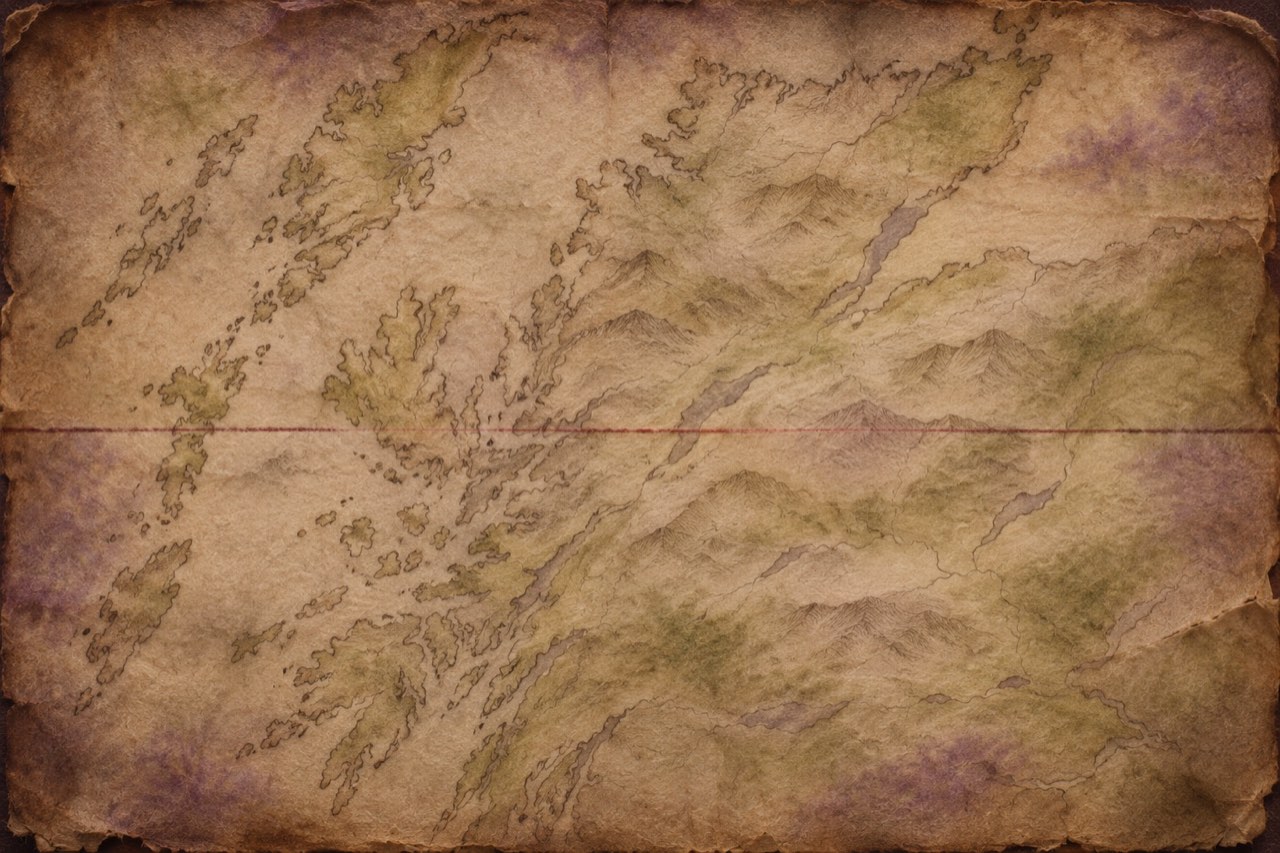
Scottish clans map
Maps of clan territory show where a clan's chief held land at a given time, usually in the late medieval or early modern period. Boundaries moved, clans shared districts and later movement of families means a name on a map is only a starting point.
Timeline at a glance
The dates below mark the points in Scottish clan history that are best supported by sources and that matter most for family research.
| Date | Event |
|---|---|
| 1135 to 1164 | Somerled seizes the Isles and dies in 1164; his descendants include Clan Donald and Clan MacDougall. |
| 1493 | James IV forfeits the Lordship of the Isles held by Clan Donald. |
| 1603 | The name MacGregor is outlawed. |
| 1609 | Statutes of Iona require chiefs' heirs to be educated in the Lowlands. |
| 13 February 1692 | Killings at Glencoe. |
| 16 April 1746 | Battle of Culloden. |
| 1746 | Heritable Jurisdictions Act and Dress Act. |
| 1782 | The Dress Act is repealed. |
| 1814 | Strathnaver clearances begin on the Sutherland estate. |
| 1846 to 1855 | Highland Potato Famine. |
| 1886 | Crofters' Holdings (Scotland) Act gives crofters security of tenure. |
| 2008 | Scottish Register of Tartans Act. |
Sources and further reading
- National Records of Scotland, for registers, statistics and research guides.
- Court of the Lord Lyon, for heraldry and the recognition of chiefs.
- legislation.gov.uk, for the text of statutes.